ON THIS PAGE
Progress0%






Our Global Presence :






The demand to hire mobile developers continues to rise as companies lean heavily on smartphones for user engagement and digital services. The global mobile application market was valued at USD 330 billion in 2025 and is projected to surpass USD 373 billion in 2026, growing at a compound annual growth rate of around 14% toward 2035.
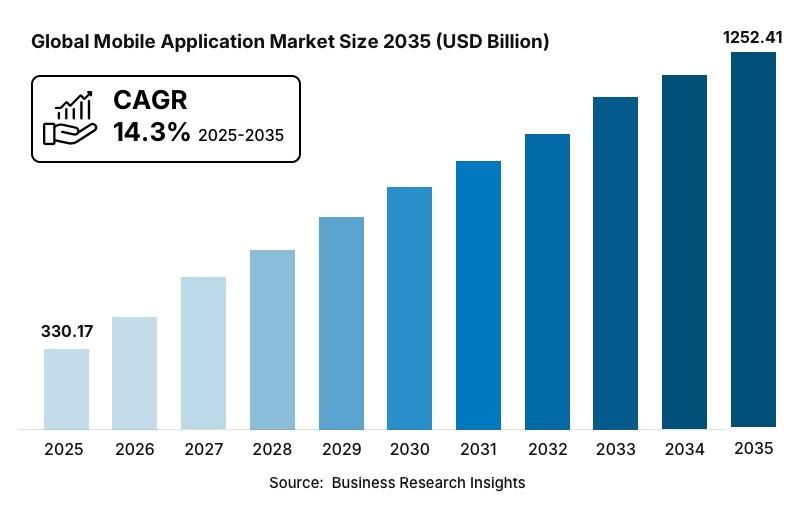
Evidence shows there are millions of active developers worldwide; more than 7.8 million were recorded in 2025.
Finding the right team becomes critical when businesses need robust, secure, and scalable apps. This guide outlines how to hire mobile app developers, skills to watch out for, common options, and where to find them.
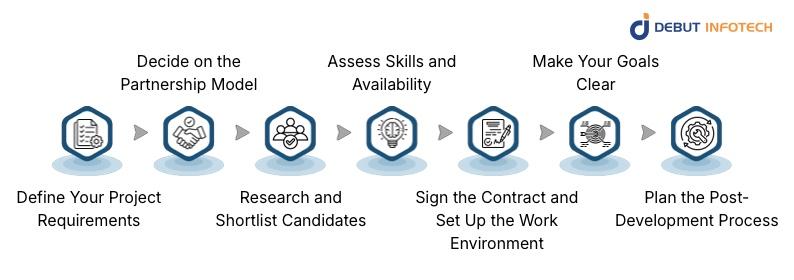
To hire app programmer, start by outlining what the app should accomplish, the users it will serve, and the features that matter most. Identify platforms, complexity, integrations, and security needs. Clarify your mobile app development timeline, budget, and expected milestones. This structured breakdown gives developers a reliable picture of your goals and reduces misalignment once development begins.
Choose a partnership model that aligns with how you plan to manage the project over time. You might prefer an in-house team for direct involvement, freelance mobile app developers for flexible contributions, or an outsourced team for wider expertise. The model you choose shapes communication flow, accountability, scalability, and the overall rhythm of your project.
Before hiring app developers, look through portfolios, reviews, and completed projects to see how each developer approaches design, coding quality, and timelines. Compare technical strengths, industry experience, communication style, and reliability. A thoughtful shortlist helps you focus on candidates who consistently deliver structured work and can translate your goals into a functional, stable product.
Examine each candidate’s technical foundation, platform specialization, and problem-solving approach. Confirm their availability, preferred workflows, and how they handle revisions or urgent tasks. A thorough assessment ensures the developer has both the expertise and the capacity to complete your project without delays or compromises in performance.
A detailed contract helps set expectations for timelines, deliverables, payment structure, confidentiality, and code ownership. Once signed, prepare the tools needed for a smooth start—communication channels, project management boards, repositories, and documentation. A structured setup supports predictable collaboration and keeps everyone aligned as development progresses.
Share your vision through user journeys, feature priorities, aesthetic preferences, and long-term plans. Offer any supporting documents or references that clarify the direction you want the app to take. Developers rely on strong goal alignment to produce a product that reflects your expectations, reduces back-and-forth, and supports a coherent development strategy.
When you decide to hire dedicated mobile developers, prepare for what happens after launch by outlining your maintenance schedule, update strategy, bug-fix procedures, and long-term improvements. Whether handled in-house or you hire application developer, having this plan in place keeps the app secure, current, and adaptable. A well-organized post-launch approach protects the product’s stability and overall user experience.
If you’re looking for app developer that’s reliable, here are some common options:
Hiring an in-house team means bringing developers directly into your company as full-time employees. This option offers close collaboration, fast feedback loops, and immediate access to technical support during development. You manage workflows, tools, communication, and long-term maintenance internally.
An in-house structure works well for companies planning ongoing updates or multiple digital products. However, it requires higher financial commitment and strong internal leadership to maintain productivity and consistency across every stage of development.
Pros:
Cons:
Hiring freelancers gives you flexibility when building your mobile app. Freelance app developers work independently and can be brought in for specific features, short-term tasks, or specialized technical needs. This option works well for businesses with clear requirements and smaller scopes. It offers cost savings and a diverse talent pool. Still, it requires careful vetting, structured communication, and consistent follow-up to maintain deadlines and development quality, especially when multiple freelance app coders are involved in a single project.
Pros:
Cons:
Also Read: How Much Does Mobile App Development Cost
Outsourcing gives you access to a dedicated external top mobile app development companies that handles planning, coding, testing, and delivery. This option is popular for companies that want broad expertise without expanding internal staff.
Outsourcing firms offer structured workflows, project managers, and quality assurance teams. It is efficient for complex or large-scale applications. However, you should expect formal communication routines and time-zone differences depending on the team’s location. Clear agreements and regular checkpoints help ensure steady progress.
Pros:
Cons:
If you’re wondering: where to find app developers? Here are some places to find them:
1. Tech Directories
Tech directories feature verified agencies and developers, including detailed profiles, pricing structures, service lists, and client ratings. These directories help you compare options quickly and filter teams based on expertise or industry experience. They’re invaluable when you need reliable partners who have been vetted and consistently meet professional development standards.
2. Online Platforms
Online hiring platforms allow you to review developer profiles, check skill tags, examine past work, and match with professionals who fit your project needs. These platforms often include built-in communication channels and progress tracking. This helps maintain structure throughout the evaluation process and supports informed decision-making when selecting a development partner.
3. Industry Events and Conferences
Events and conferences introduce you to experienced developers, emerging technologies, and innovative approaches to mobile development. Engaging directly with professionals allows you to understand their capabilities, ask technical questions, and observe how they communicate. This forward-looking environment helps you meet specialists who actively follow new trends and refine their skills.
4. Review Websites
Review websites provide transparent feedback from businesses that have worked with specific developers or agencies. You’ll find insights on reliability, communication, technical execution, and long-term support regarding app builders for hire. These reviews help you narrow your search and avoid teams with inconsistent histories. With clear ratings and testimonials, you gain a realistic picture of what to expect.
5. Social Media and Forums
Social communities give you access to open discussions about developer performance, coding best practices, and project outcomes. You can find mobile app developers there, ask questions, examine shared recommendations, and identify developers who demonstrate credibility through their contributions. These spaces help you understand how individuals communicate and collaborate in professional settings.
6. Freelance Platforms
Freelance platforms expand your options by connecting you with global talent across multiple skill levels and price ranges. These platforms include portfolios, ratings, and delivery histories, making it easier to align your needs with the right freelance app programmer. They also encourage flexible hiring terms, which help you scale up or down based on project demands.
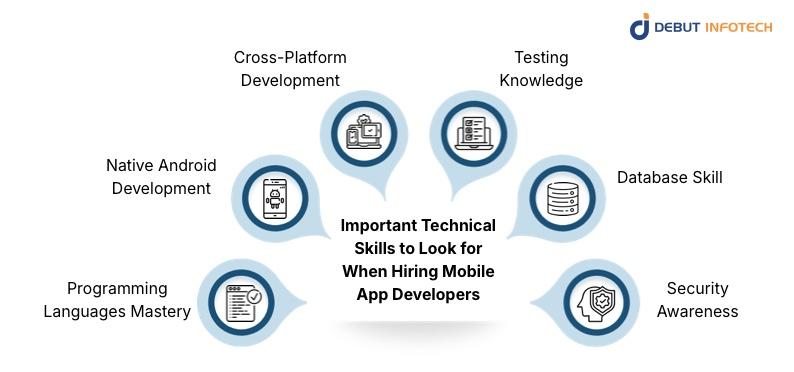
A dependable mobile developer should demonstrate a solid command of languages suited to your chosen platform. This includes Kotlin or Java for Android, Swift for iOS, and JavaScript or Dart for cross-platform frameworks. Strong language mastery influences code clarity, performance, and maintainability. It also ensures the developer can adapt quickly when introducing new features or refining existing components.
Developers specializing in native Android development should understand Android Studio, Kotlin, Jetpack libraries, Material Design guidelines, and device-specific optimization. They must build responsive layouts that work across screen sizes and manage app lifecycle events efficiently. This expertise helps produce stable Android applications that perform reliably across the broad device ecosystem users rely on daily.
Cross-platform developers should work comfortably with mobile app development frameworks like Flutter or React Native, ensuring cohesive design and consistent performance across operating systems. They need to understand widget systems, shared codebases, and platform-specific APIs. This skillset supports faster development cycles while maintaining a unified experience, allowing businesses to launch mobile products efficiently without building two separate native applications.
Strong testing skills help developers detect issues before users encounter them. They should understand automated testing, unit testing, integration testing, and manual testing processes. Knowledge of frameworks like Espresso, XCTest, or Flutter Test ensures the app operates smoothly. This reduces launch risks and strengthens overall product reliability during updates or new feature releases.
A capable developer should know how to design structured databases, optimize queries, and manage data securely. Familiarity with tools such as SQLite, the Room Database, Firebase, or cloud-based storage solutions is valuable. Efficient database handling ensures smooth data retrieval, faster loading times, and balanced performance, especially in apps that rely heavily on user accounts or real-time information.
Security-focused developers understand encryption, secure API communication, safe data handling, and updated security standards. They consider threats such as unauthorized access, data leaks, and weak authentication flows. Forward-looking security awareness ensures your app protects user information as it scales, giving you confidence that sensitive data remains safe throughout the product’s lifecycle.
Requesting past client references helps you verify how the developer performed under real project conditions. You gain insight into communication habits, reliability, and problem-solving approach. Speaking with former clients also helps confirm whether timelines were met and whether the final product matched expectations, giving you a reliable picture of long-term professionalism.
Understanding the team structure helps you see who manages development, design, testing, and communication. It clarifies responsibilities and reveals how tasks move through the workflow. This question also enables you to assess whether the team’s organization supports predictable progress and whether they have specialists available for each phase of your app’s development.
This question clarifies how the developer plans, executes, tests, and releases your app. You understand whether they follow Agile, Scrum, or a structured linear workflow. Their process should include clear milestones, regular updates, and defined review stages. A transparent app development process helps maintain momentum and minimizes misunderstandings during development.
A strong UI/UX approach considers usability, clarity, accessibility, and user flow. Ask how your app coders for hire conduct research, create wireframes, plan navigation, and choose interaction elements. Understanding their design philosophy helps you gauge whether they can deliver an interface that aligns with your app’s goals and provides a smooth experience for your intended audience.
Knowing how the developer communicates ensures you’ll stay informed throughout the project. Ask whether they prefer email, calls, project management platforms, or weekly check-ins. A clear communication method supports structured updates, timely feedback, and organized revisions. It also helps you understand how quickly they respond to concerns or new requirements.
Post-launch support is crucial because every app requires updates, bug fixes, and performance improvements. Clarify whether the developer offers maintenance plans, update cycles, or periodic system checks. This ensures your app remains stable, secure, and compatible with new platform versions long after the initial release.
Projects evolve, and you may need new features or adjustments during development. Asking about scope modifications helps you understand how flexible the developer is and whether they have a structured method for handling changes. This forward-looking clarity prevents confusion and ensures the project can adapt when priorities shift.
Exit options define what happens if you decide to stop the project or switch developers. This includes handover procedures, code transfer, documentation, and any outstanding obligations. Clear exit terms protect your investment and help you maintain progress even if circumstances require a transition.
Wireframes help visualize the app’s structure before full development begins. Asking this question ensures the developer includes layout planning, user flow mapping, and feature placement in the early stages. Wireframes reduce design uncertainty and give you a chance to refine direction before coding starts, improving final accuracy.
Establishing code ownership clarifies who legally controls the final product. Ensure the agreement states that you receive full rights to the codebase, documentation, and assets upon completion. Clear ownership protects your ability to modify, expand, or migrate the app in the future without depending on the original developer.
Related Read: Top Trends Shaping the Future of Mobile Apps
Debut Infotech provides a dependable partner for businesses seeking smooth, high-quality mobile app development services. We bring together seasoned engineers, clear communication, and a structured delivery process that keeps projects moving without confusion.
We handle everything from strategy and UI/UX to testing and post-launch support, which makes us a strong fit for brands that want long-term reliability. Our experience across industries allows us to build apps that feel polished, stable, and ready for real users.
Hiring the right team shapes how well your app performs, scales, and evolves. When you hire mobile developers who understand your goals, the entire process becomes smoother—from planning and design to testing, launch, and long-term support.
The steps, options, skills, and questions outlined in this guide give you a clear path to choosing talent that fits your project. With the right developers in place, you set your product up for stability, strong performance, and long-term growth.
Most mobile developers fall somewhere between $25–$60 per hour for mid-level talent, while senior or highly specialized developers can run $80–$150 per hour. Full-project pricing varies widely, often landing between $5,000 and $40,000 depending on complexity, features, and how polished you want the final build to feel.
Check their past work, how they communicate, and whether they understand your idea without you overexplaining. You want someone who can build clean code, explain trade-offs, and stick to timelines. A developer who asks smart questions early tends to save you headaches later.
They should know native or cross-platform tools well, write code that’s easy to maintain, and understand how real users behave. Strong debugging habits matter. Clear communication helps too. A developer who blends technical skill with practical decision-making usually delivers smoother projects and fewer late surprises.
If you already know what you want, you can find someone in a week or two. If you’re picky about experience or need niche skills, it may take longer. The process speeds up when your job description, budget, and expectations are crystal clear from the start.
Full-time developers fit long-term plans and ongoing updates. Freelance application developers are well-suited to shorter builds or when you want flexibility. Your choice depends on how steady the workload is and whether you prefer someone deeply embedded in your team or available as needed.
You can find an app developer by checking trusted platforms, asking for recent work, and paying attention to how they explain things during your first chat. Go with someone who understands your idea quickly, shows real shipped projects, and communicates in a way that feels clear and steady.

Our Latest Insights
USA

2501 Chatham, Rd Suite R Springfield, IL 62704
+1-708-515-4004
info@debutinfotech.com
UK

7 Pound Close, Yarnton, Oxfordshire, OX51QG
+44-770-304-0079
info@debutinfotech.com
Canada

154 Eden Oak Trail, Kitchener, ON N2A 0H9
+1-708-515-4004
info@debutinfotech.com
INDIA

Sector 101-A, Plot No: I-42, IT City Rd, JLPL Industrial Area, Mohali, PB 140306
9888402396
info@debutinfotech.com