
The shift toward digital transformation has sparked a growing interest in asset tokenization. Enterprises increasingly recognize its potential to streamline asset management and open new revenue channels.
The MarketsandMarkets report indicates that the global tokenization market was valued at $2.3 billion in 2021 and is projected to grow to $5.6 billion by 2026, with a compound annual growth rate (CAGR) of 19.0%. This rapid adoption highlights the business community's eagerness to leverage tokenization for secure, efficient, and transparent asset ownership.
Tokenization today is redefining asset management across industries including real estate, supply chain, and finance. It provides enterprises with a simplified way to track their valuable assets, trade them, and secure them.
Here, we will explore the basic concepts of asset tokenization, and its growing applications for the enterprise sector and examine the future possibilities of blockchain tokenization platforms in driving innovation and business growth.
Want to learn how tokenization will improve your asset management system? Let’s explore this new approach in enterprise asset management.
What Is Tokenization?
Latest Statistics and Current Market Insights
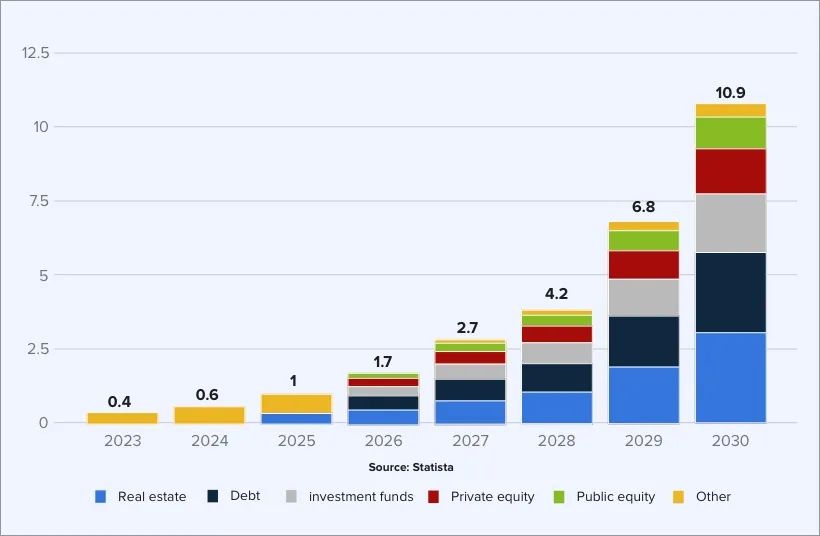
- A recent report by UnivDatos highlights that asset tokenization is gaining traction in real estate and finance. North America leads the asset tokenization market, largely due to its advanced tech infrastructure and supportive financial environment.
- As per CoinDesk, the Real World Asset tokenization sector could experience a 50x expansion by 2030, as retail and institutional demand for tokenized assets continues to surge.
- A recent McKinsey report estimates that tokenized assets could reach $2 trillion in market cap by 2030, driven by growth in mutual funds, bonds, and alternative funds. In a bullish scenario, this could increase to $4 trillion.
- The data from McKinsey also suggests that tokenized assets could account for up to 10% of global GDP by 2030, emphasizing blockchain’s transformative impact on asset management
- CoinTelegraph reports that the UAE has established a regulatory framework to promote asset tokenization, positioning the region as a leader in blockchain adoption.
- According to the Economic Times, India is also exploring the potential of tokenization to boost transparency and liquidity across various asset classes.
- A recent Binance Research report revealed that the on-chain real-world assets (RWA) market has surpassed $12 billion in value. In 2022, Boston Consulting Group projected that the tokenized asset market could grow to an estimated $16 trillion by 2030.
Different Types of Tokenization
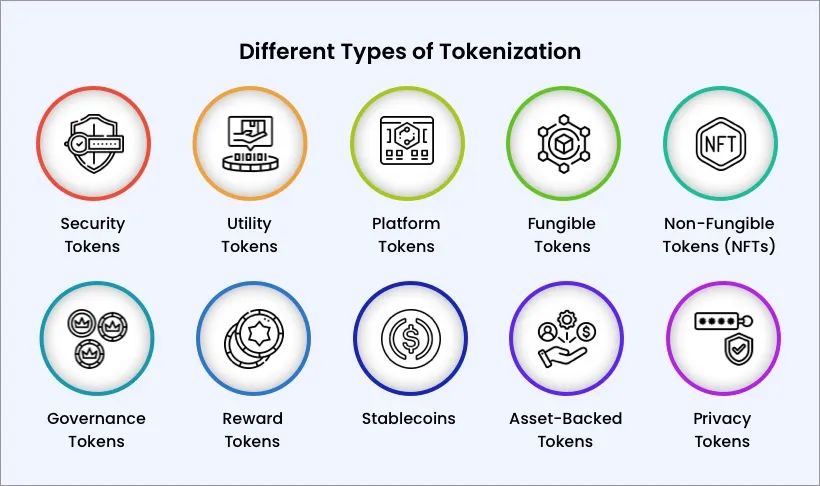
1. Security Tokens:
2. Utility Tokens:
3. Platform Tokens:
4. Fungible Tokens:
5. Non-Fungible Tokens (NFTs):
6. Governance Tokens:
7. Reward Tokens:
8. Stablecoins:
9. Asset-Backed Tokens:
10. Privacy Tokens:
What is the Technology Behind Blockchain Token Transfers?
- UTXO Model (Unspent Transaction Output): The UTXO model, introduced by Bitcoin, tracks unspent transaction outputs to calculate the remaining balance in a user’s wallet after a transaction. This model is foundational for many cryptocurrencies, as it validates transaction inputs and outputs in a decentralized manner, enhancing transparency and transaction traceability.
- Account-Based Model: Used by Ethereum and Hyperledger Fabric, this model tracks balances by updating account values directly. Validators deduct the sender’s balance and credit the recipient, streamlining transactions and making it ideal for complex smart contracts and applications within blockchain tokenization platforms.
What Types of Assets Can Be Easily Tokenized on Blockchain?
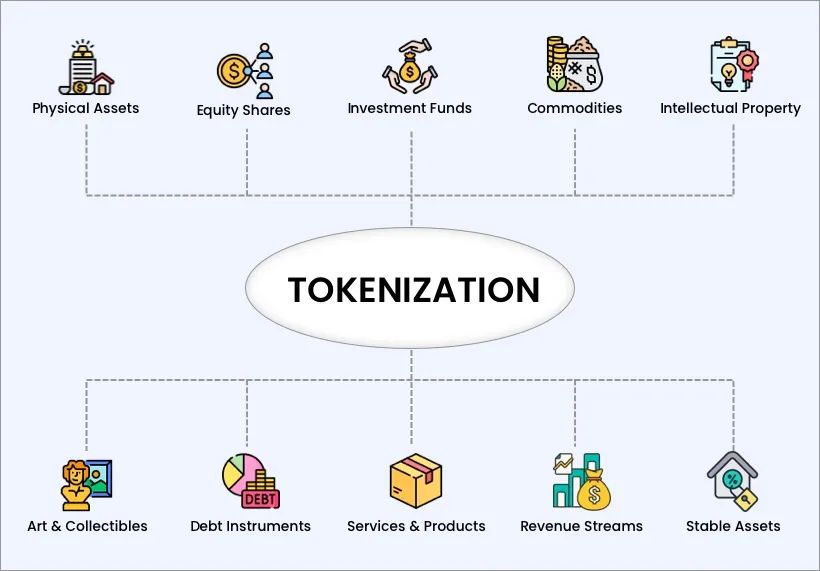
- Physical Assets: Real estate, precious metals, and commodities like oil are tokenized, allowing investors to buy fractional shares rather than whole assets. Tokenizing real world assets offers proof of ownership, enabling global investors to access traditionally high-entry-barrier markets. Real estate tokenization is especially popular, democratizing access and reducing ownership costs.
- Equity Shares: Equity tokenization involves digitizing shares of a company on blockchain platforms as security tokens. This allows investors to trade shares, adding flexibility to how to invest in tokenization. Equity tokens enable direct investment access, stored securely in digital wallets, and can be traded globally, facilitating market expansion.
- Investment Funds: Investment funds, including mutual and venture capital funds, are tokenized to offer fractional ownership. Investors receive tokens representing fund shares, adding liquidity to these assets. Tokenized funds broaden access to previously restricted markets, allowing smaller investments in diversified portfolios, and making fund tokenization a key benefit of tokenization.
- Commodities: Commodity tokenization allows investors to own fractional parts of high-value commodities such as gold, silver, and agricultural products. For instance, gold tokenization provides secure investment without physical storage, while ensuring liquidity and accessible trading on blockchain tokenization platforms.
- Intellectual Property: Intellectual property (IP) tokenization represents assets like patents and copyrights on the blockchain, enabling fractional ownership and rights distribution. Token holders receive royalties based on IP usage, allowing creators to generate new revenue and attract investors, a clear example of tokenization use cases for intangible assets.
- Art and Collectibles: Art tokenization enables investors to own shares in high-value collectibles, from artwork to memorabilia. Each token represents a unique piece, allowing for fractional ownership and liquidity. By tokenizing art, investors access traditionally exclusive assets, making high-value markets more accessible and transparent.
- Debt Instruments: Debt tokenization offers secure access to debt markets by digitizing loans and bonds. Debt tokens enable fractional investment, increasing debt market accessibility while allowing peer-to-peer lending through tokenization platforms. Debt tokenization promotes transparency and provides broader investment opportunities.
- Services and Products: Tokenized services allow consumers to use tokens for products, membership, and loyalty benefits, often as a way to raise funds. Businesses tokenize offerings, allowing customers to redeem tokens for specific services, creating a unique, flexible customer experience, and enhancing the benefits of tokenization.
- Revenue Streams: Revenue or royalty tokens provide investors a share in income-generating assets like music, film, or books. Token holders receive periodic earnings based on project profits, a popular choice for creators seeking capital and a valuable tokenization example for the entertainment industry.
- Stable Assets: Stablecoins and currency equivalents are tokenized to represent fiat currency values on the blockchain. This payment tokenization enables secure, stable transactions, supporting use cases in remittances, cross-border transactions, and DeFi, with stable assets offering practical applications for tokenization in banking.
Build Your Own Real Estate Tokenization Platform
Digitize real estate assets and enable fractional ownership with compliant, scalable platforms built to attract investors and streamline asset management.
Significant Token Standards and Protocols That You Must Know
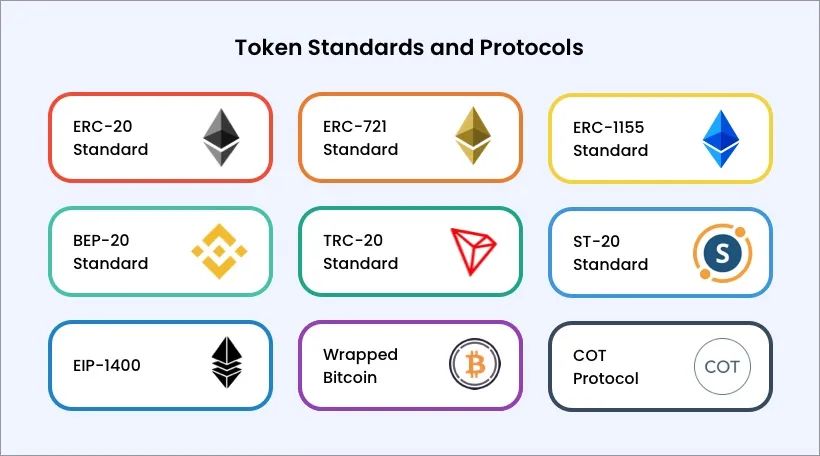
1. ERC-20 Standard (Ethereum Request for Comments 20):
2. ERC-721 Standard:
3. ERC-1155 Standard:
4. BEP-20 Standard (Binance Smart Chain):
5. TRC-20 Standard (Tron):
6. ST-20 Standard (Polymath):
7. EIP-1400 (Ethereum Improvement Proposal):
8. Tokenized Bitcoin Protocols (e.g., Wrapped Bitcoin - WBTC):
9. CTO Protocol (Consumer Token Offering):
Tokenization vs. Traditional Ownership Models
Key Differences Between Tokenization and Traditional Ownership
1. Accessibility and Fractional Ownership:
2. Liquidity and Transferability:
3. Transparency and Security:
4. Cost Efficiency:
5. Global Market Access:
| Aspect | Tokenization | Traditional Ownership |
|---|---|---|
| Accessibility | Fractional ownership allows wider access to high-value assets | Limited to investors with significant capital |
| Liquidity | High liquidity due to blockchain-based tradeable tokens | Limited liquidity, requires extensive selling efforts |
| Transparency | Enhanced transparency with immutable blockchain records | Relies on intermediaries, prone to discrepancies |
| Security | Blockchain ensures secure, traceable transactions | Paper-based records can be vulnerable to fraud |
| Global Reach | Accessible globally via blockchain | Restricted by regional regulations and laws |
| Transaction Speed | Instant transactions on the blockchain | Lengthy, requires processing by multiple parties |
| Regulatory Challenges | Compliance integrated into security tokens (e.g., KYC/AML) | Varies by region, & often requires separate compliance |
| Ownership Flexibility | Offers fractional ownership, enabling partial sales | Ownership transfer often requires a full asset sale |
Interoperability and Cross-Chain Tokenization
Key Benefits of Cross-Chain Tokenization
- Enhanced Liquidity: Cross-chain tokenization enables tokenized assets to be listed and traded across multiple blockchain platforms, attracting a wider pool of investors. For example, a tokenized real estate asset on Ethereum can also be made available on Binance Smart Chain, allowing greater market reach and trading volume.
- Greater Accessibility: Supporting cross-chain functionality allows investors to access and manage their assets across different blockchain networks. This flexibility lets users choose the chain based on transaction speed, cost, and specific features, making digital asset management more versatile.
- Increased Security: Leveraging the unique security features of multiple blockchains enhances asset protection. For instance, tokenized assets can be stored on a secure chain like Polkadot while being traded on a high-speed network like Solana. This multi-chain approach strengthens security and improves operational efficiency.
Essential Components for Cross-Chain Tokenization
- Cross-Chain Bridges: Bridges facilitate the transfer of assets between distinct blockchains, allowing tokens to flow across networks. By converting tokens to compatible formats, these bridges ensure assets retain consistent value and functionality across chains.
- Wrapped Tokens: Wrapped tokens represent an asset from one blockchain on another. Wrapped Bitcoin (WBTC) on Ethereum allows BTC holders to engage in Ethereum-based DeFi without directly transferring Bitcoin, bridging the gap between Bitcoin and Ethereum ecosystems.
- Interoperability Protocols: Protocols like Polkadot and Cosmos create networks of interconnected blockchains, promoting efficient data and asset transfers. These protocols provide a shared framework for cross-chain tokenization, helping tokenized assets move freely between blockchains.
Use Cases of Interoperability and Cross-Chain Tokenization
- DeFi Platforms: Cross-chain tokenization in decentralized finance enables lending, borrowing, and staking across multiple chains. Allows users to optimize transaction costs and access a wider range of financial services.
- NFT Marketplaces: Cross-chain compatibility allows NFTs to be traded on various marketplaces, increasing their exposure and liquidity. Interoperable NFT platforms enable users to buy, sell, and trade digital collectibles across blockchain networks.
- Tokenized Real-World Assets (RWAs): Assets like real estate, commodities, and securities benefit from cross-chain tokenization by broadening their market reach. Tokenized RWAs can be fractionalized and listed on multiple blockchains, allowing a diverse investor base to access and trade these assets.
Enable Seamless Interoperability With Cross-Chain Tokenization
Expand asset reach, enhance liquidity, and ensure seamless trading across blockchains with our expert cross-chain tokenization solutions tailored for real-world and digital assets.
How Does Tokenization Work?
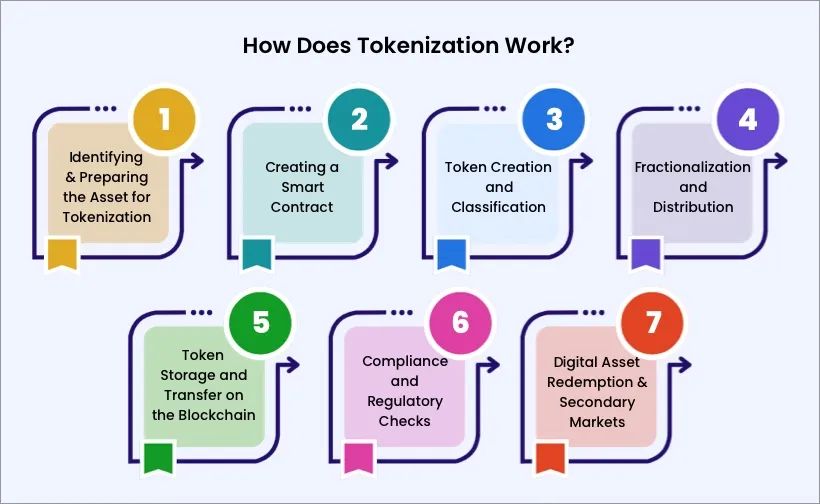
1. Identifying and Preparing the Asset for Tokenization
2. Creating a Smart Contract
3. Token Creation and Classification
- Security Tokens: Represent ownership in an asset, often used for tokenization of securities like stocks or real estate. These tokens must comply with regulatory standards, which are enforced through security tokenization protocols.
- Utility Tokens: Provide access to services within an ecosystem, often used in platforms that require tokenization of services rather than assets.
4. Fractionalization and Distribution
5. Token Storage and Transfer on the Blockchain
6. Compliance and Regulatory Checks
7. Digital Asset Redemption and Secondary Markets
Simplify Complex Assets Through Tokenization
From real estate to digital rights, learn how tokenization turns assets into secure, tradable digital units. Looking to tokenize your portfolio with expert guidance?
What Can Be Tokenized?
1. Assets
2. Equity
3. Funds
4. Entities
5. Services
6. Commodities
7. Intellectual Property (IP)
8. Royalties and Revenue Streams
9. Debt Instruments
10. Loyalty Programs
11. Digital Collectibles
12. Carbon Credits
13. Supply Chain Assets
14. Insurance Policies
15. Fine Art and Antiques
16. Real Estate Investment Trusts (REITs)
Launch an Art Tokenization Platform With Proven Experts
Turn artworks and collectibles into digital assets. Enable fractional ownership, investor access, and transparent rights management using blockchain technology.
Why Are Enterprises Embracing Real Estate Tokenization?
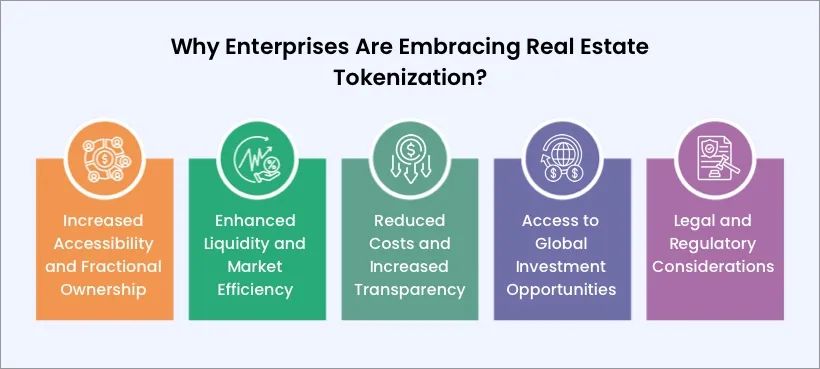
1. Increased Accessibility and Fractional Ownership
2. Enhanced Liquidity and Market Efficiency
3. Reduced Costs and Increased Transparency
4. Access to Global Investment Opportunities
5. Legal and Regulatory Considerations
What Is The Role of Web3 in Tokenization?
1. Decentralized Ownership and Control
2. Enhanced Security and Transparency Through Blockchain
3. Smart Contracts: Automation and Efficiency
4. Fractional Ownership and Accessibility
5. Interoperability and Cross-Platform Compatibility
6. Democratizing Access and Reducing Barriers to Entry
Harness Web3 to Tokenize Assets Seamlessly
Experience decentralized ownership, security, and global accessibility with Web3-powered tokenization. Let us help you bring real-world and digital assets onto the blockchain.
Tokenization in Emerging Technologies
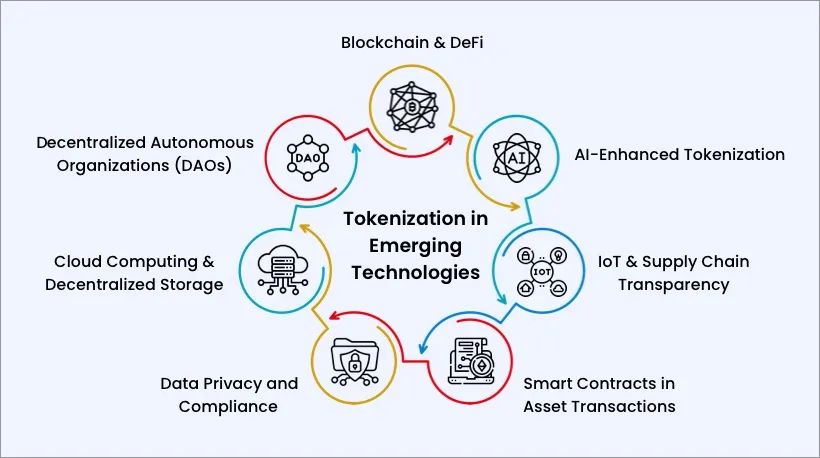
Blockchain & DeFi
AI-Enhanced Tokenization
IoT & Supply Chain Transparency
Smart Contracts in Asset Transactions
Data Privacy and Compliance
Cloud Computing & Decentralized Storage
Decentralized Autonomous Organizations (DAOs)
Benefits of Tokenization For Investors & Enterprises
1. Enhanced Liquidity for Illiquid Assets
2. Fractional Ownership Increases Accessibility
3. Improved Transparency and Security
4. Cost Efficiency and Reduced Transaction Fees
5. Global Market Access
6. Simplified Compliance and Regulatory Adherence
7. Speed and Efficiency in Transactions
8. Improved Security and Risk Management
9. Flexibility in Portfolio Diversification
10. Transparency in Revenue and Asset Management
Real-World Examples of Tokenization in Practice
1. Real Estate Tokenization
2. Art and Collectibles
3. Tokenization in Commodities
4. Tokenization of Carbon Credits
5. Tokenization in Sports and Entertainment
6. Intellectual Property (IP) and Royalties
7. Debt and Loans
8. Tokenization in Healthcare Data
9. Tokenization of Investment Funds
10. Tokenized Insurance Policies
11. Supply Chain & Inventory Management
12. Tokenization in Renewable Energy
13. Tokenization of Legal Contracts
Legal Frameworks Across Different Countries
North America
United States
- Real Estate Tokenization
- Art and Commodities Tokenization
- Tax and Investor Considerations
- Future Regulatory Developments
Canada
- Real Estate and Fund Tokenization: Canadian tokenization of real estate and funds offers immense growth potential, especially in REITs (Real Estate Investment Trusts) which have regulatory backing. The CSA has collaborated with blockchain tokenization platforms to streamline compliance, making Canada a viable destination for real estate tokenization.
- Healthcare and Fintech Tokenization: Canada has also embraced tokenization in healthcare and fintech, as financial institutions are increasingly exploring tokenization in banking. The Canadian regulatory environment, while cautious, supports innovative tokenization frameworks by ensuring compliance with data protection laws, crucial for sensitive industries like healthcare.
Europe
European Union (EU)
- Tokenization in Real Estate and Finance: The EU has embraced tokenization in banking and finance, where tokenized securities like stocks and bonds are heavily regulated. MiFID II enforces strict protocols, and asset tokenization for securities must undergo licensing procedures for cross-border activities, ensuring investor protection.
- Data and Consumer Tokenization: The EU's stringent GDPR regulations impact data tokenization, especially in consumer-focused tokenization. Tokenized digital assets are required to comply with GDPR, making it challenging for blockchain tokenization platforms to manage personal data securely. The EU also leads in Consumer Token Offerings (CTO), with specific protections for consumers transacting in tokenized assets.
- Carbon Credits Tokenization (EU-Wide): The EU’s Emissions Trading System (EU ETS) provides a regulatory framework for tokenizing carbon credits. This system mandates that tokenization platforms adhere to environmental disclosure standards and proper licensing if trading carbon credits. Companies using tokenized carbon credits for offsetting must report emissions accurately and provide clear information on the environmental impact of their operations, aligning with the EU’s strict sustainability goals.
United Kingdom
- Security and Payment Tokenization: The UK’s interest in payment tokenization is prominent, particularly in fintech, where companies tokenize funds and enable digital transactions across borders. The FCA requires rigorous compliance with anti-money laundering (AML) and know-your-customer (KYC) standards for tokenized securities and payment tokens.
- Tokenization in Commodities and Healthcare: Commodities like gold are popular for tokenization in the UK, with the FCA establishing rules for transparency and market manipulation prevention. Similarly, healthcare tokenization must comply with data protection regulations to maintain patient privacy and data security.
Art and Cultural Artifacts Tokenization
- Securities Oversight: Tokenizing art and cultural artifacts in the UK, especially in its vibrant art market, requires adherence to the Financial Conduct Authority (FCA) regulations. If the tokens represent investment contracts, they must meet FCA requirements for securities, including proper authorization and transparency in investor offerings. This ensures investors are aware of the risks associated with art tokenization, where asset ownership and rights can be complex.
- Cultural Artifact Protections: The UK has specific laws protecting cultural heritage and artifacts, which extend to tokenized offerings. This is especially relevant for high-value or historically significant items, as compliance with laws like the Cultural Property (Armed Conflicts) Act is mandatory to prevent illegal sales or exploitation of cultural assets.
Real Estate Tokenization
- Property Laws and Disclosure Requirements: Real estate tokenization in the UK is subject to FCA and local property laws. Issuers must provide full ownership disclosures, clear tax guidance for capital gains, and information on property-related taxes such as stamp duty. FCA mandates for investor protections are designed to ensure transparency, especially given the potential volatility and legal complexities in tokenizing property.
Asia-Pacific
Japan
Sake and Cultural Assets Tokenization
- Cultural Asset Compliance: Japan's tokenization of cultural assets like sake and traditional art falls under the oversight of the Financial Services Agency (FSA). Tokens representing cultural items must comply with securities laws if structured as investment contracts, and issuers must provide thorough disclosures regarding asset provenance and value. Additionally, cultural heritage laws ensure that tokenized artifacts or traditional items respect Japan’s heritage protections.
Real Estate Tokenization
- Land Ownership Restrictions and Disclosure: Tokenization of real estate in Japan requires careful navigation due to strict land ownership laws, particularly for foreign investors. Issuers must comply with these restrictions and provide transparent ownership information. FSA regulations ensure that real estate tokens meet AML/KYC standards and that disclosures clarify any restrictions on ownership or transfer, especially for international buyers.
Singapore
- Security Token Offering (STO) and Real Estate Tokenization: MAS allows Security Token Offerings with specific guidelines, enabling platforms to tokenize real estate and create security tokens that attract international investors. Singapore’s transparent regulatory landscape promotes asset tokenization for RWAs, making it an ideal hub for blockchain startups.
- Fintech and Payment Tokenization: Fintech companies in Singapore benefit from MAS’s supportive framework, which includes tokenization in payments. These regulations encourage companies to develop payment tokenization solutions, leveraging Singapore’s robust blockchain infrastructure.
- Precious Metals (Gold) Tokenization: As a key trading hub for gold, Singapore’s Monetary Authority (MAS) oversees the tokenization of precious metals, requiring compliance with the Securities and Futures Act for transparency. Platforms tokenizing gold must maintain AML/KYC protocols under the Payment Services Act to prevent financial crimes, and they must disclose details about gold storage, verification, and redemption to assure investors of asset authenticity.
- Fine Art Tokenization (Intellectual Property and Licensing Regulations): Singapore’s MAS also regulates tokenized art, ensuring proper licensing and ownership disclosures. When art tokens are structured as securities, issuers must meet MAS guidelines under the Securities and Futures Act, protecting both the intellectual property of the artist and the investment interests of token holders.
Middle East and North Africa (MENA)
United Arab Emirates (UAE)
Real Estate and Gold Tokenization
- DFSA and ADGM Oversight: The UAE’s leading role in real estate and gold markets has made these assets prominent for tokenization, particularly in Dubai. The Dubai Financial Services Authority (DFSA) and the Abu Dhabi Global Market (ADGM) provide frameworks that require issuers to comply with securities regulations and implement AML/KYC measures to ensure market integrity. Disclosure is mandatory for real estate location, ownership rights, and gold verification standards, providing investors with clarity on their holdings.
Camel Tokenization
- Unique Asset Compliance: The UAE also tokenizes camels, particularly racing and breeding camels, which are highly valued assets. Specific guidelines mandate ownership rights verification, and token issuers must adhere to local animal and commodity trading regulations. Platforms tokenizing camels need to clarify asset-related risks and provide disclosures on care standards and usage rights, reflecting the cultural significance and financial value of these assets.
Saudi Arabia
- Commodity and Debt Tokenization: SAMA encourages commodity tokenization, focusing on Saudi Arabia’s expansive oil and natural gas reserves. Tokenizing these commodities has opened a new revenue channel for international investors, while SAMA oversees regulations to ensure compliance.
- Healthcare Tokenization: With the rise in digital healthcare, Saudi Arabia has embraced tokenization in healthcare, where patient data is tokenized to enhance security. Tokenization models comply with SAMA’s data protection requirements, creating a secure and regulated environment for sensitive health data.
- Oil Reserves Tokenization (Commodity Regulation Under CMA): As a global leader in oil production, Saudi Arabia has strict guidelines for tokenizing oil reserves. The Capital Market Authority (CMA) requires thorough disclosures of reserve quantities and access rights. This tokenization must adhere to both securities and commodity trading standards, with transparent reporting on reserve locations, rights, and environmental impact.
- Luxury Goods (Jewelry) Tokenization: The tokenization of luxury goods like jewelry is regulated by the CMA to protect investors. Issuers must provide proof of asset authenticity, secure custody, and implement AML/KYC standards. This regulatory approach ensures that token holders receive clear rights and value, aligning with the market demand for secure, high-value investments.
Latin America
Brazil
Agricultural Commodities Tokenization
- CVM and Commodity Regulation: Brazil’s agricultural sector supports the tokenization of commodities like soybeans, coffee, and sugar. The Securities and Exchange Commission of Brazil (CVM) requires token issuers to provide disclosures about crop conditions, yields, and trading standards to protect investors from market volatility and fraud.
Football Player Contracts Tokenization
- Sports and Financial Compliance: Brazil’s passion for football has led to the tokenization of player contracts, where the Brazilian Football Confederation (CBF) regulates terms. Issuers must ensure transparency about contract details, revenue sharing, and performance rights, providing security to fans and investors while adhering to sports-related financial regulations.
Mexico
- Tokenization in Fintech and Payment Systems: Tokenization in banking and fintech is on the rise in Mexico, as CNBV allows companies to tokenize payment systems and streamline cross-border transactions. Payment tokenization models are particularly beneficial for local fintech firms, promoting financial inclusion across underserved populations.
- Tokenization of Securities and Digital Assets: Tokenized securities in Mexico require compliance with CNBV’s financial guidelines, with regulations aimed at preventing market manipulation. Digital asset redemption and securities tokenization are gaining momentum as more companies explore tokenized investment opportunities.
Africa
Nigeria
Agricultural Land Tokenization
- Land Ownership and SEC Compliance: Tokenizing agricultural land in Nigeria requires compliance with land ownership laws and SEC regulations. Issuers must clarify ownership rights, lease agreements, and cultivation requirements, ensuring investors understand the legal framework and asset utility.
Precious Stones (Emerald) Tokenization
- Mining and Commodity Oversight: Nigeria’s emerald and gemstone market presents opportunities for tokenization. The Nigerian SEC mandates that platforms implement AML/KYC protocols and disclose mining conditions, quality verification, and custody details. This ensures that investors are protected from asset misrepresentation in high-value gemstone investments.
South Africa
Crypto Assets as Financial Products
Real Estate Tokenization
Art and Commodities Tokenization
Regulatory Developments
Compliance Requirements
- Obtain Licensing: Register as an FSP under the FAIS Act.
- Implement AML/KYC Measures: Establish procedures to prevent money laundering and ensure customer identification.
- Adhere to Reporting Obligations: Maintain transparency through regular reporting to regulatory authorities.
Comprehensive Steps to Develop and Launch Tokenized Assets Securely
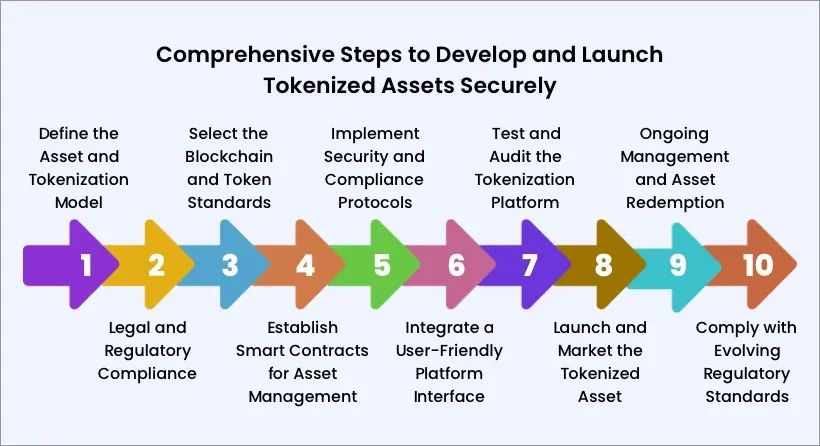
1. Define the Asset and Tokenization Model
- Asset Identification: Start by identifying the asset to tokenize (e.g., real estate, art, commodities). Each asset type may have specific considerations, impacting both the token structure and regulatory requirements.
- Choosing a Tokenization Model: Select a model tailored to your asset. Security Token Offerings (STOs) are suitable for regulated assets, while Non-Fungible Tokens (NFTs) work well for unique assets like art. The model defines aspects like ownership, compliance requirements, and trading flexibility.
- Legal Classification: Each model has unique legal implications. Security tokens, for example, must comply with securities regulations, while utility or commodity tokens may have different classifications. Establishing clear guidelines for the asset type and regulatory impact ensures smooth, legally compliant tokenization.
2. Legal and Regulatory Compliance
- Regulatory Assessment: Before tokenization, ensure full compliance with relevant laws. This step requires consulting a separate legal team, as Debut Infotech does not provide legal services. A legal team will assess jurisdictional regulations, licensing requirements, and restrictions for the tokenized asset.
- Document Drafting: Legal advisors should draft compliant documents, such as a Token Purchase Agreement (TPA) and Private Placement Memorandum (PPM), for transparency and investor protection.
- Regulatory Filings and Approvals: For regulated tokens, your legal team will handle filings with relevant authorities (e.g., the SEC for U.S. securities). This is crucial for assets like securities and real estate, where specific approvals may be mandatory. Debut Infotech’s role is solely in developing the token and integrating compliance-related technical features.
3. Select the Blockchain and Token Standards
- Blockchain Selection: Choose a blockchain network that supports the technical needs of your asset, such as Ethereum, Binance Smart Chain, or Polkadot. Consider the asset type, transaction speed, scalability, and long-term goals.
- Token Standards: Each token type aligns with specific standards. ERC-20 tokens are ideal for fungible assets, while ERC-721 or ERC-1155 are suitable for NFTs representing unique assets. Selecting the right standard impacts compatibility with wallets and exchanges and streamlines secure trading.
4. Establish Smart Contracts for Asset Management
- Automated Management: Smart contracts enable efficient asset management, automating ownership transfers, dividends, and redemption processes. These contracts uphold the conditions without requiring intermediaries, enhancing transparency.
- Compliance and Customization: Customize smart contracts to incorporate KYC/AML protocols, particularly for security tokens, to meet legal standards. Tailored conditions for profit-sharing, dividend distribution, or voting rights add versatility.
- Audit and Security: As smart contracts control critical functions, comprehensive audits are necessary to detect and resolve any vulnerabilities. This minimizes risks and secures tokenized assets.
5. Implement Security and Compliance Protocols
- KYC and AML Integration: Compliance with KYC/AML protocols is essential for regulated assets, verifying investor identities to prevent fraud and illegal activities.
- Data Protection and Encryption: Ensure robust encryption to protect sensitive data, especially in industries with high privacy standards (e.g., healthcare, finance). Regular data protection audits further enhance platform security.
- Platform Audits: Conduct routine security audits to address potential vulnerabilities, reinforcing the platform’s credibility and investor trust.
6. Integrate a User-Friendly Platform Interface
- User Interface: Design a secure, easy-to-navigate platform for investors to manage their tokens. An accessible interface is key for investor satisfaction and usability.
- Investor Tools: Include features like a personalized dashboard for real-time asset tracking and portfolio management, as well as a seamless payment gateway for both traditional and cryptocurrency transactions.
- Liquidity Options: Offering asset redemption and withdrawal options attracts a wider range of investors, enhancing liquidity and flexibility in asset management.
7. Test and Audit the Tokenization Platform
- Smart Contract Audits: Auditing smart contracts validates their reliability and security, ensuring they function as intended without exposing assets to risk.
- Platform Testing: Perform extensive load and penetration tests to verify that the platform can handle high traffic and prevent cyber threats. This includes simulating real-life scenarios to identify any weak points.
- Ongoing Security Updates: Regular platform updates and audits are crucial for adapting to evolving security threats and maintaining investor confidence.
8. Launch and Market the Tokenized Asset
- Regulatory Transparency: For security tokens, provide clear regulatory disclosures, including investor rights and obligations, as per local requirements. Transparency builds trust and compliance.
- Investor Outreach and Marketing: Utilize digital channels, partnerships, and social media to attract investors. Focus on asset benefits, such as fractional ownership, which lowers barriers for smaller investors.
- Compliance-Driven Campaigns: Ensure marketing campaigns meet all legal guidelines to avoid misleading promises or claims, especially for security tokens.
9. Ongoing Management and Asset Redemption
- Investor Relations: Maintain communication channels to provide asset performance updates and answer investor queries. This improves engagement and trust.
- Redemption Options: Clearly outline redemption and liquidity options, allowing investors to liquidate holdings as needed. This flexibility supports market demand and makes tokenized assets more appealing.
- Performance Monitoring: Regularly review the asset’s performance, updating investors on any changes or improvements to foster long-term interest.
10. Comply with Evolving Regulatory Standards
- Legal and Regulatory Reviews: Work closely with legal advisors to monitor regulatory changes in tokenization. Regular reviews help maintain compliance and avoid potential penalties.
- Platform Upgrades: Make adjustments to the platform as required by regulatory bodies, ensuring the tokenized asset remains compliant and secure for all participants.
- Proactive Compliance: Staying ahead of regulatory shifts helps preserve investor trust and protects the tokenized asset’s market position.
Essential Technology Stack Powering Modern Tokenization Platforms
Core Components of a Tokenization Technology Stack
1. Blockchain Network
- Ethereum: Known for its robust smart contract functionality, Ethereum is ideal for tokenized assets requiring automated processes.
- Binance Smart Chain (BSC): BSC is a high-speed, low-cost alternative popular for tokenization, especially for digital assets and smaller transactions.
- Polkadot: This interoperable blockchain connects various chains, making it easier to support cross-chain tokenization for assets that need versatility.
2. Smart Contracts
- Functionality: Smart contracts enable tokenization platforms to automatically handle regulatory compliance, execute payments, and manage redemption rights.
- Security: Smart contracts undergo rigorous auditing processes to prevent vulnerabilities and secure user transactions. Platforms like OpenZeppelin and ChainSecurity offer auditing tools to ensure contract reliability.
3. Digital Asset Wallets
- Hot Wallets: Connected to the internet, hot wallets are ideal for frequent transactions and offer high accessibility.
- Cold Wallets: Offline storage wallets offer enhanced security for long-term storage, protecting assets from cyber threats.
4. Security Protocols
- Encryption: Ensures that sensitive data remains confidential and inaccessible to unauthorized users.
- Hashing: Hashing techniques convert information into fixed-length codes, adding an extra layer of security to data storage.
- Multi-Factor Authentication (MFA): MFA requires multiple verification steps, preventing unauthorized access to tokenized assets.
5. Compliance and Regulatory Tools
- KYC Verification: These tools validate user identities through ID checks and document verification, ensuring that all participants meet legal standards.
- AML Screening: AML systems monitor transactions and flag suspicious activities, enhancing security and regulatory compliance.
6. User Interface and API Integration
- Dashboard Management: A dashboard allows users to view and manage their tokenized assets efficiently.
- API Connections: APIs connect tokenization platforms with payment gateways, compliance services, and other financial systems.
| Component | Description | Importance |
|---|---|---|
| Blockchain Network | Decentralized ledger for transaction recording, with options like Ethereum, BSC, and Polkadot. | Ensures transparency, security, and scalability for token transactions and asset management. |
| Smart Contracts | Self-executing contracts for automating asset transfers, ownership rules, and compliance. | Automates essential functions, reducing manual work and enhancing transparency. |
| Digital Asset Wallets | Secure wallets for storing and managing tokenized assets (hot wallets for accessibility, cold for security). | Provides secure access and asset management, crucial for user confidence and safety. |
| Security Protocols | Encryption, hashing, and MFA to secure user data and transactions. | Protects sensitive information, ensuring data privacy and platform trustworthiness. |
| Compliance Tools | KYC and AML systems to meet regulatory requirements for tokenized assets. | Ensures legal compliance, preventing illicit activities and fostering a safe investment space. |
| User Interface & APIs | Interface for user engagement and APIs for system connectivity. | Enhances usability and facilitates integration with external services like payment gateways. |
Exploring Diverse Real-World Use Cases of Tokenization
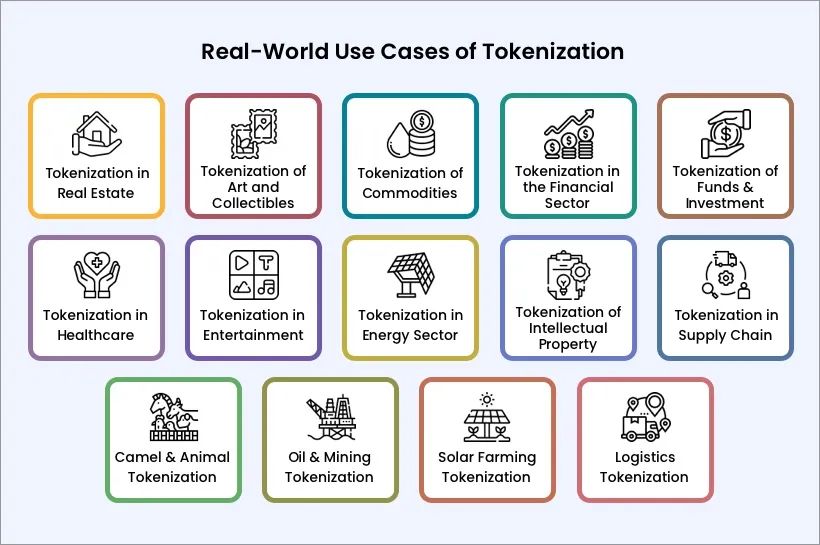
1. Tokenization in Real Estate
- Benefits: Real estate tokenization offers enhanced liquidity, as tokenized assets can be traded on exchanges, unlike traditional property investments that are less liquid. Additionally, tokenization lowers entry barriers, making real estate investment accessible to a broader audience.
- Example: Tokenized real estate platforms, such as RealT in the U.S., allow investors to own fractions of high-value properties and receive proportional rental income. Investors can buy tokens representing ownership in a property, which they can trade on the platform, enjoying real estate investment benefits without traditional market limitations.
2. Tokenization of Art and Collectibles
- Benefits: Art tokenization enables partial ownership, allowing art lovers and investors to diversify their portfolios with valuable collectibles. Additionally, blockchain ensures transparency in provenance and authenticity, addressing counterfeiting issues.
- Example: Companies like Maecenas use blockchain technology to tokenize famous artworks, allowing individuals to invest in pieces by renowned artists. Art investors can buy fractional ownership and benefit from the asset's appreciation over time, even if they do not own the entire artwork.
3. Tokenization of Commodities
- Benefits: Tokenization of commodities allows fractional ownership, reducing entry costs and making commodities more liquid. Investors can buy, sell, or redeem their tokens for physical commodities, providing flexibility and security in their investments.
- Example: Paxos Gold (PAXG) issues tokens backed by physical gold, where each token represents a specific quantity of gold stored in secure vaults. Investors can purchase gold-backed tokens, trade them, or redeem them for physical gold, making gold investment easier and more flexible.
4. Tokenization in the Financial Sector
- Benefits: Tokenized securities can be traded more freely, offering investors a streamlined, secure way to buy and sell financial assets. By using blockchain, financial institutions provide transparent records of ownership and automate compliance processes through smart contracts.
- Example: Companies like tZERO offer platforms for tokenized securities, enabling investors to trade security tokens in a regulated environment. The tokens represent traditional securities, like stocks or bonds, and can be traded with reduced settlement times and operational costs.
5. Tokenization of Funds and Investment Portfolios
- Benefits: Tokenized funds are easier to manage and trade on blockchain platforms, providing increased liquidity and flexibility for fund managers and investors. It also simplifies the investment process and attracts a larger pool of investors, as they can invest in diversified portfolios without committing large amounts of capital.
- Example: The tokenized hedge fund protocol Securitize enables fund managers to tokenize their funds, allowing investors to buy shares of the fund as digital tokens. These tokens can be traded, enhancing liquidity and access for smaller investors interested in private equity or venture capital.
6. Tokenization in the Healthcare Sector
- Benefits: Healthcare tokenization protects patient privacy and enhances data security by restricting access to authorized personnel. It also enables seamless data sharing between healthcare providers, improving collaboration and reducing administrative burdens.
- Example: Companies like BurstIQ utilize blockchain to tokenize patient health records, allowing patients to share their data securely with healthcare providers. Tokenization enables patients to control their health information, ensuring that their data is handled transparently and securely.
7. Tokenization in the Entertainment and Media Industry
- Benefits: Tokenization in entertainment allows artists to monetize their content without relying on traditional intermediaries. Fans can hold tokens representing their favorite content and potentially profit as its value appreciates.
- Example: Platforms like Audius and Opulous enable music artists to tokenize their albums, offering fans a chance to invest. These tokens can appreciate as the artist's popularity grows, providing fans with an innovative way to support their favorite creators.
8. Tokenization in the Energy Sector
- Benefits: Tokenization in energy enables decentralized ownership, empowering individuals to participate in green projects. It also enhances liquidity in energy investments, as tokens can be traded on exchanges.
- Example: Power Ledger, a blockchain-based energy trading platform, allows individuals to buy, sell, and trade energy tokens representing renewable energy. Tokenization helps communities and companies monetize energy projects while promoting environmentally friendly initiatives.
9. Tokenization of Intellectual Property
- Benefits: Tokenized IP rights create new revenue streams for creators while enhancing transparency in royalty payments. Blockchain’s immutability ensures that IP ownership records are secure, protecting creators from infringement issues.
- Example: IPwe uses blockchain to tokenize patents, allowing innovators to license their patents and earn royalties securely. By tokenizing patents, IP owners can track and monetize their intellectual property more effectively.
10. Tokenization in the Retail and Supply Chain Sector
- Benefits: Tokenized supply chains enhance traceability, allowing companies to monitor every step of the supply chain. Additionally, tokenization simplifies auditing processes and ensures product authenticity, especially in luxury goods and pharmaceuticals.
- Example: VeChain, a blockchain-based platform, allows companies to tokenize products and trace them through the supply chain. VeChain’s tokenized tracking enhances supply chain transparency, making it easier to detect counterfeiting and verify product origin.
11. Camel & Animal Tokenization
- Benefits: Provides an innovative investment avenue in regions where animal trading is prominent and democratizes access to high-value livestock.
- Example: In the Middle East, platforms are developing tokenization systems for camels, allowing fractional ownership of valuable livestock and facilitating trading through secure blockchain transactions.
12. Oil & Mining Tokenization
- Benefits: Increased liquidity, easier investment access to the oil and mining sectors, and secure ownership records.
- Example: Companies in the energy sector are exploring tokenized ownership of oil reserves, allowing investors to gain exposure to oil profits and the potential appreciation of these commodities.
13. Solar Farming Tokenization
- Benefits: Decentralized ownership in renewable energy, improved liquidity, and support for green initiatives.
- Example: Platforms like Power Ledger facilitate tokenized ownership in renewable energy assets, allowing individuals to invest in and earn returns from solar energy production, supporting eco-friendly projects and sustainable energy.
14. Logistics Tokenization
- Benefits: Real-time tracking, increased transparency, reduced counterfeiting, and optimized asset utilization in logistics.
- Example: VeChain uses blockchain to tokenize and track logistics assets, allowing companies to monitor each stage of the supply chain, reduce inefficiencies, and provide consumers with verified product origin information, especially useful in pharmaceuticals and luxury goods.
Create Secure Tokenization Platforms for Media Royalties
Tokenize music, film, and IP royalties for direct investor participation. Manage rights, earnings, and contracts with blockchain transparency.
Risks and Challenges of Tokenization
1. Regulatory Uncertainty
- Impact on Security Tokens: Security tokens, which represent traditional securities like stocks or bonds, must comply with stringent regulations to avoid legal issues. However, regulatory differences across regions create challenges for tokenization platforms aiming to offer global services.
- Example: The regulatory requirements for tokenized assets in the U.S. differ from those in the EU or Asia, creating compliance challenges for companies that need to navigate the varying rules on data protection, investor rights, and securities classifications.
2. Technological Complexity
- Smart Contract Vulnerabilities: Smart contracts are integral to automating processes in tokenization, such as asset transfers and compliance enforcement. However, vulnerabilities in smart contract code can lead to potential security breaches, jeopardizing asset safety and investor trust.
- Example: Poorly coded smart contracts on platforms offering tokenization of assets may lead to errors, allowing hackers to exploit loopholes. Regular audits and updates are crucial to minimize these risks, but they add to the cost and complexity of maintaining a tokenization platform.
3. Cybersecurity Threats
- Risk of Asset Theft: Tokenized assets stored in digital wallets are vulnerable to unauthorized access. Although cold wallets offer more security than hot wallets, the risk of theft remains a concern. Without stringent security protocols, tokenization platforms may face asset loss.
- Example: Inadequate encryption or weak access controls on tokenization platforms can result in significant financial losses. Protecting user data and assets with robust encryption, multi-factor authentication, and regular security updates is essential to mitigate cybersecurity risks.
4. Liquidity Challenges for Certain Asset Classes
- Liquidity of Non-Traditional Assets: Illiquid assets, such as unique art pieces or niche real estate properties, may struggle to attract active trading. Tokenizing such assets without a robust market infrastructure can lead to liquidity risks, where investors may find it difficult to sell their tokens.
- Example: Real estate tokenization projects, particularly those dealing with niche properties, may not have enough market demand, reducing liquidity. Limited trading options for these tokens can hinder investors’ ability to quickly liquidate their holdings, defeating one of tokenization's key benefits.
5. Valuation and Price Volatility
- Price Fluctuations: Tokenized assets, especially those in volatile markets like cryptocurrency or commodities, may see drastic price changes. Price volatility can lead to uncertainty for investors, impacting the perceived stability and attractiveness of tokenization.
- Example: Tokenized commodities like oil or gold may be affected by external market forces, causing price swings. Investors holding tokens representing these assets may face substantial value fluctuations, affecting the stability and predictability of their investments.
6. Challenges with Asset Redemption
- Regulatory and Operational Barriers: Redeeming tokenized real estate, for example, involves compliance with local property laws, taxation, and transfer processes. Ensuring smooth and compliant asset redemption for investors requires additional resources and planning.
- Example: A platform offering tokenized gold might face logistical challenges in ensuring physical delivery to investors, especially in jurisdictions with strict import/export controls. Such challenges make it difficult for investors to redeem their tokens, adding complexity to tokenized asset ownership.
7. Data Privacy Concerns
- Data Breaches and Compliance: Tokenization platforms handle sensitive investor information, which can be a target for cyber attacks. Non-compliance with data protection standards can result in legal consequences, affecting both the platform's reputation and investor trust.
- Example: A tokenization platform dealing with healthcare data must implement secure storage and access controls to protect patient information. Failure to comply with data privacy laws can lead to significant financial penalties and erode user trust in the platform.
8. Interoperability Issues
- Cross-Chain Transactions: Without interoperability, tokens created on one blockchain cannot be easily transferred or traded on another, limiting their flexibility and market reach. Interoperability challenges hinder the fluid movement of assets and reduce the overall utility of tokenized assets.
- Example: An asset tokenized on Ethereum may not be compatible with Binance Smart Chain, limiting investors' ability to trade across these networks. Interoperability solutions, such as cross-chain bridges, are necessary to facilitate seamless trading of tokenized assets, but implementing these solutions adds to the complexity of the platform.
9. Market and Adoption Risks
- Slow Adoption Rates: Industries like real estate or commodities may face slow adoption rates due to a lack of familiarity with blockchain technology. Building a critical mass of users is essential for the liquidity and success of tokenized markets.
- Example: The slow adoption of tokenized real estate investments may deter market participants, as the lack of users impacts liquidity and overall market dynamics. Increasing awareness and demonstrating clear value propositions are essential for fostering market acceptance.
10. Lack of Standardization
- Inconsistent Tokenization Models: Different platforms use varying models, which can create compatibility challenges for investors seeking to trade or transfer assets. Standardized models for token issuance, valuation, and management are needed to improve market confidence and interoperability.
- Example: Variability in token standards (like ERC-20 vs. ERC-721) can complicate trading on different platforms, reducing the versatility of tokenized assets. The adoption of industry standards would streamline tokenization practices and enhance the overall reliability of tokenization platforms.
Key Players in the Tokenization Market
1. Debut Infotech
- Core Offerings: Debut Infotech provides custom blockchain development, smart contract creation, and tokenization platforms tailored to client needs. Their expertise spans various industries, ensuring secure and compliant tokenization processes.
- Impact: By delivering tailored tokenization solutions, Debut Infotech enables businesses to digitize assets, enhancing liquidity and broadening investment opportunities. Their focus on security and compliance ensures that tokenized assets meet regulatory standards, fostering trust among investors.
2. Polymath
- Core Offerings: Polymath’s platform allows businesses to tokenize securities, such as stocks, bonds, and real estate assets, providing tools to manage the full lifecycle of digital assets. The platform also offers a blockchain specifically designed for securities – Polymesh – which integrates compliance into its core infrastructure.
- Impact: By ensuring that security tokens meet regulatory requirements, Polymath streamlines asset tokenization for companies, making it a preferred choice for businesses looking to tokenize securities without complex legal hurdles.
3. Securitize
- Core Offerings: Securitize facilitates the tokenization of assets such as funds, private equity, and real estate. It also provides tools for compliance, investor onboarding, and secondary trading, making it easier for businesses to issue and trade digital securities.
- Impact: By automating compliance processes, Securitize allows companies to streamline their tokenization efforts and gives investors access to tokenized assets while maintaining regulatory integrity. Its extensive partnerships with financial institutions make it a leader in tokenized securities.
4. Tokeny Solutions
- Core Offerings: Tokeny offers a complete suite of tokenization tools, including KYC and AML compliance, investor identity verification, and secure wallet integration. It supports multiple asset classes, making it versatile for different tokenization use cases.
- Impact: Tokeny’s robust compliance features enable businesses in the EU and beyond to issue tokens that meet regulatory requirements, enhancing security and transparency in tokenized markets. Its tools for managing investor identities make it particularly suitable for highly regulated markets.
5. tZERO
- Core Offerings: tZERO offers an alternative trading system (ATS) that allows for the secure trading of tokenized assets. Its platform supports the full lifecycle of digital securities, from issuance to secondary market trading, offering a seamless experience for both issuers and investors.
- Impact: As one of the few SEC-registered tokenization platforms, tZERO brings credibility and compliance to the tokenization space, attracting institutional and retail investors alike. Its focus on regulated assets has helped legitimize tokenized securities in the financial industry.
6. RealT
- Core Offerings: RealT offers a user-friendly platform for tokenized real estate investment. Investors can purchase tokens that represent ownership stakes in properties, receiving proportional income based on rental revenue.
- Impact: By making real estate investment accessible to retail investors, RealT democratizes real estate ownership, allowing anyone to invest in property without substantial capital. The platform’s use of blockchain ensures transparency and efficiency, making real estate more liquid and accessible.
7. Harbor
- Core Offerings: Harbor provides tools for issuing, trading, and managing tokenized assets, particularly focusing on real estate and private equity. Its platform integrates KYC/AML protocols, making it a secure choice for regulated asset classes.
- Impact: Harbor’s emphasis on compliance and investor protection has made it a leading choice for real estate tokenization, allowing companies to leverage blockchain while adhering to stringent regulations. The platform’s regulatory focus makes it attractive to businesses looking for compliant tokenization solutions.
How to Get Started with Tokenization?
1. Identify and Define the Asset for Tokenization
- Example: Real estate tokenization is popular among businesses aiming to offer fractional ownership of high-value properties, making real estate investments accessible to a broader audience. Tokenizing a commercial building, for instance, could attract smaller investors who purchase tokens representing ownership shares.
2. Choose the Right Blockchain Network
- Ethereum: Known for its strong smart contract capabilities, Ethereum is a top choice for tokenization projects that require advanced functionality and compatibility with existing decentralized finance (DeFi) ecosystems.
- Binance Smart Chain (BSC): BSC offers lower transaction fees and higher speeds, making it suitable for businesses with a high volume of token transactions.
- Polkadot: Known for interoperability, Polkadot enables seamless integration across multiple blockchains, making it ideal for projects that require cross-chain support.
3. Develop Smart Contracts for Automated Asset Management
- Security and Compliance: For security tokens, smart contracts should incorporate regulatory compliance, such as Know Your Customer (KYC) and Anti-Money Laundering (AML) checks. Regular audits and testing are essential to prevent vulnerabilities and ensure the integrity of smart contracts.
- Automation: Smart contracts can automate dividend payments, asset transfers, and other critical functions, reducing manual intervention and improving transaction efficiency.
4. Integrate Digital Wallets for Secure Asset Storage
- Hot Wallets: Provide easy access for frequent transactions and are commonly used for active trading. Hot wallets are suitable for high-volume platforms but require enhanced security measures.
- Cold Wallets: Store tokens offline, providing a high-security solution for long-term asset storage. They are ideal for assets that require minimal access, like tokenized gold or real estate.
5. Implement Compliance Tools
- KYC and AML Protocols: Implement KYC checks to verify investor identities and AML protocols to monitor transactions for suspicious activity. These tools not only help prevent financial crimes but also instill trust among investors.
- Legal Compliance: Adhering to local and international regulations for tokenized assets, particularly for security tokens, is crucial. Legal experts can help navigate the complexities of tokenization regulations, ensuring that your platform remains compliant.
6. Design a User-Friendly Platform Interface
- Dashboard: An intuitive dashboard helps investors track the performance of their assets, view transaction history, and manage their portfolios.
- Payment Gateway Integration: Integrate secure payment options to facilitate transactions, including support for fiat and cryptocurrency payments. Offering multiple payment options makes tokenized assets accessible to a broader audience.
7. Conduct Platform Testing and Audits
- Smart Contract Audits: Auditing smart contracts ensures that all automated processes are secure and free of errors. Platforms like OpenZeppelin offer comprehensive auditing services to protect tokenized assets.
- Load Testing: Conduct load testing to ensure that the platform can handle high transaction volumes without performance issues, particularly important for trading tokenized assets with high demand.
8. Market Your Tokenized Assets to Potential Investors
- Digital Marketing: Utilize digital channels such as social media, content marketing, and email campaigns to reach potential investors. Educational content about tokenization benefits can help inform and attract new investors.
- Transparency and Investor Relations: Regularly update investors on asset performance, market conditions, and any changes to the tokenization platform. Clear communication and transparency are essential for building long-term trust with investors.
9. Establish Ongoing Management and Redemption Options
- Investor Relations: Maintain strong communication with investors by providing regular updates and responding to inquiries promptly. Keeping investors informed about their assets’ performance strengthens trust and encourages long-term engagement.
- Redemption Process: Establish a clear redemption process for tokenized assets, especially for assets like real estate or commodities, where physical redemption may be an option. Asset redemption provides liquidity for investors and makes tokenized assets more attractive.
Understanding Legal and Development Fees in Asset Tokenization
| Asset Type | Region | Legal Fees Range | Compliance & Auditing Fees | Development Fees Range | Notes |
|---|---|---|---|---|---|
| High-Value Real Estate | North America | $20,000 - $60,000+ | $10,000 - $25,000+ | $50,000 - $150,000+ | Higher costs due to complex legal compliance and high value of assets. |
| High-Value Real Estate | Europe | $15,000 - $50,000+ | $8,000 - $20,000+ | $45,000 - $130,000+ | Well-regulated markets; extensive compliance requirements increase fees. |
| High-Value Real Estate | Asia | $12,000 - $40,000+ | $6,000 - $18,000+ | $35,000 - $110,000+ | Lower legal fees but costs vary by country-specific regulations. |
| Commodities (e.g., Gold) | North America | $15,000 - $45,000+ | $8,000 - $22,000+ | $40,000 - $100,000+ | Moderate fees with extensive security and storage requirements for physical assets. |
| Commodities (e.g., Oil) | Middle East | $10,000 - $40,000+ | $7,000 - $20,000+ | $30,000 - $90,000+ | Regional expertise may lower costs; compliance for high-value, tradable assets. |
| Art & Collectibles | Europe | $10,000 - $30,000+ | $5,000 - $15,000+ | $15,000 - $70,000+ | Tokenization costs are lower; art-specific provenance tracking adds value. |
| Art & Collectibles | North America | $12,000 - $35,000+ | $6,000 - $18,000+ | $20,000 - $75,000+ | Art verification and tracking; regional cost for high-value markets. |
| Intellectual Property | Global | $5,000 - $25,000+ | $3,000 - $10,000+ | $10,000 - $50,000+ | Lower compliance costs; mainly IP legal considerations and licensing. |
| Intellectual Property | North America | $7,000 - $30,000+ | $4,000 - $12,000+ | $15,000 - $60,000+ | Licensing regulations may increase costs for patents or trademarks. |
| Solar Farming | Europe | $12,000 - $40,000+ | $8,000 - $20,000+ | $30,000 - $80,000+ | High regulatory costs due to environmental compliance. |
| Solar Farming | Asia | $10,000 - $35,000+ | $6,000 - $18,000+ | $25,000 - $75,000+ | Lower legal fees, but varies by specific country policies on renewable energy. |
| Logistics & Supply Chain | Global | $8,000 - $28,000+ | $5,000 - $15,000+ | $20,000 - $70,000+ | Compliance varies by type of goods; tokenization enhances traceability and anti-counterfeiting. |
| Logistics & Supply Chain | North America | $10,000 - $32,000+ | $6,000 - $18,000+ | $25,000 - $80,000+ | Higher costs in regions with strict logistics and trade regulations. |
| Oil & Mining | Middle East | $10,000 - $40,000+ | $7,000 - $22,000+ | $30,000 - $90,000+ | Compliance and legal fees based on environmental and resource extraction regulations. |
| Oil & Mining | North America | $15,000 - $50,000+ | $8,000 - $25,000+ | $40,000 - $100,000+ | High legal and compliance costs due to environmental regulations and asset value. |
How To Hire A Reliable Real Estate Tokenization Company For Your Project?
Future Highlights:
- Increased Liquidity: Tokenization improves liquidity in traditionally illiquid markets, allowing easier buying and selling of fractional assets.
- Global Investment Access: Cross-border tokenization simplifies global investments, enabling access to assets across regions with fewer restrictions.
- Integration with DeFi: Tokenized assets will interact with DeFi, enabling decentralized lending, borrowing, and yield generation.
- Tokenization of Data and IP: Data and intellectual property tokenization will allow secure monetization, opening new revenue streams.
- Enhanced Security and Compliance: Blockchain’s immutability and smart contracts provide secure, transparent records, increasing investor confidence in tokenized assets.
Conclusion
Tokenization Development Glossary
1. Asset Tokenization
2. Fractional Ownership
3. Security Tokens
4. Smart Contracts
5. Know Your Customer (KYC) & Anti-Money Laundering (AML)
6. Blockchain Tokenization Platform
7. Non-Fungible Token (NFT)
8. Decentralized Finance (DeFi)
9. Yield Generation
10. Digital Wallets
11. Token Standards (ERC-20, ERC-721, etc.)
12. Tokenization as a Service (TaaS)
13. Compliance Audits
14. Immutable Ledger
15. Token Redemption


